



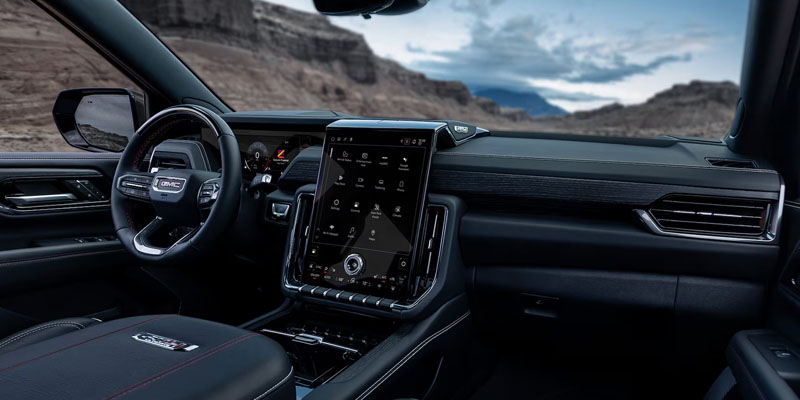
Modern vehicles are engineered to make driving smoother, safer, and more comfortable. One of the most important systems that contributes to this convenience is power steering. Without power steering, turning the steering wheel—especially at low speeds—would require significant physical effort. Today’s vehicles use advanced power steering systems to make steering easier and more precise for drivers.
At Gay Buick GMC, we believe drivers should understand how their vehicles work. Learning how power steering operates can help you recognize early warning signs of potential issues and maintain your vehicle’s performance for years to come.
What Is Power Steering?
Power steering is a system that assists drivers in turning the vehicle’s wheels with minimal effort. It reduces the amount of force required to steer, particularly when driving at slow speeds, parking, or maneuvering in tight spaces.
Before power steering became common in vehicles, drivers relied on manual steering systems. These systems required much more strength because the driver had to physically overcome the resistance created by the vehicle’s weight and the tires’ contact with the road.
Power steering uses either hydraulic pressure or electric motors to provide assistance, making steering smoother and more responsive.
The Main Components of Power Steering
Although different vehicles may use slightly different designs, most power steering systems rely on several key components working together.
Steering Wheel and Steering Column
The steering wheel is connected to the steering column, which transfers the driver’s input to the steering system. When you turn the steering wheel, that motion travels through the column to the steering gear.
Steering Rack or Steering Gear
The steering rack converts the rotational motion of the steering wheel into the side-to-side movement that turns the vehicle’s wheels.
Most modern vehicles use a rack-and-pinion steering system, which is compact, precise, and efficient.
Power Steering Pump
In hydraulic systems, the power steering pump generates pressure that assists the steering movement. The pump is usually driven by the engine through a belt and continuously circulates power steering fluid through the system.
Power Steering Fluid
Power steering fluid acts as the hydraulic medium that transfers pressure within the system. It also helps lubricate components and prevent overheating.
Hoses and Valves
Hoses transport pressurized fluid between the pump and the steering gear. Control valves regulate the direction and amount of pressure applied depending on how the driver turns the steering wheel.
How Hydraulic Power Steering Works
Traditional hydraulic power steering systems operate through a series of mechanical and hydraulic actions.
Here’s how the process works step by step:
1. The Driver Turns the Steering Wheel
When the driver turns the steering wheel, it rotates the steering column and engages the steering gear connected to the wheels.
2. A Valve Detects Steering Input
Inside the steering system, a control valve detects the direction and force of the driver’s steering input.
3. Hydraulic Pressure Is Applied
The power steering pump sends pressurized fluid through hoses to the steering rack. The control valve directs this fluid to the appropriate side of the rack.
4. Steering Assistance Is Provided
The hydraulic pressure helps push the steering rack in the desired direction. This assistance reduces the effort required from the driver to turn the wheels.
5. The System Resets
When the steering wheel returns to its centered position, the system redistributes the hydraulic fluid and returns to its neutral state.
This process happens instantly and continuously while driving.
Electric Power Steering (EPS)
Many modern vehicles now use electric power steering (EPS) instead of hydraulic systems.
Instead of using a pump and hydraulic fluid, EPS systems rely on electric motors and sensors to provide steering assistance.
Sensors measure several factors, including:
- Steering wheel position
- Steering torque (how hard the driver is turning)
- Vehicle speed
The system’s computer then determines how much assistance is needed and activates an electric motor to help turn the steering rack.
Benefits of Electric Power Steering
Electric power steering provides several advantages:
- Improved fuel efficiency because there is no engine-driven pump
- Less maintenance since no hydraulic fluid is required
- More precise steering response
- Integration with advanced driver assistance systems
EPS also enables modern safety features such as lane-keeping assist, automated parking, and driver assistance technologies found in many new vehicles.
Variable Steering Assistance
Modern power steering systems often include speed-sensitive steering assistance.
This means the amount of steering help changes depending on vehicle speed.
At low speeds (like parking):
- Maximum steering assistance
- Light steering feel
At higher speeds (like highway driving):
- Reduced steering assistance
- Firmer steering feel for better control
This adjustment improves both maneuverability and stability.
Signs of Power Steering Problems
Because power steering systems operate under pressure and contain multiple components, they can sometimes develop issues.
Drivers should watch for warning signs such as:
- Steering wheel becoming difficult to turn
- Whining or squealing noises when steering
- Power steering fluid leaks under the vehicle
- Steering wheel vibrations
- Warning lights appearing on the dashboard
In hydraulic systems, low or contaminated fluid is a common cause of steering issues. In electric systems, problems may be related to sensors or electronic components.
Addressing these issues early can help prevent more expensive repairs.
Why Power Steering Is Essential
Power steering plays a major role in vehicle safety, comfort, and control. It allows drivers to maneuver their vehicles easily in tight spaces while maintaining stable steering at higher speeds.
Without power steering, modern vehicles—especially large trucks and SUVs—would be far more difficult to control.
As automotive technology continues to evolve, power steering systems are becoming even more advanced, integrating with driver assistance technologies that improve overall driving safety.
Final Thoughts
Power steering may seem like a simple convenience, but it is actually a complex system designed to enhance vehicle control and driver comfort. Whether your vehicle uses traditional hydraulic steering or modern electric systems, the goal is the same: helping drivers steer safely and effortlessly.
Understanding how power steering works and recognizing potential warning signs can help you keep your vehicle performing at its best and ensure a smooth driving experience every time you get behind the wheel.
Connect with us


- February 2026
- January 2026
- November 2025
- October 2025
- September 2025
- August 2025
- July 2025
- June 2025
- May 2025
- April 2025
- March 2025
- February 2025
- January 2025
- December 2024
- November 2024
- October 2024
- September 2024
- August 2024
- July 2024
- June 2024
- May 2024
- April 2024
- March 2024
- February 2024
- January 2024
- December 2023
- November 2023
- October 2023
- September 2023
- August 2023
- July 2023
- June 2023
- May 2023
- April 2023
- March 2023
- February 2023
- January 2023
- December 2022
- November 2022
- October 2022
- September 2022
- August 2022
- July 2022
- June 2022
- April 2022
- March 2022
- February 2022
- January 2022
- December 2021
- November 2021
- October 2021